

Introduction:
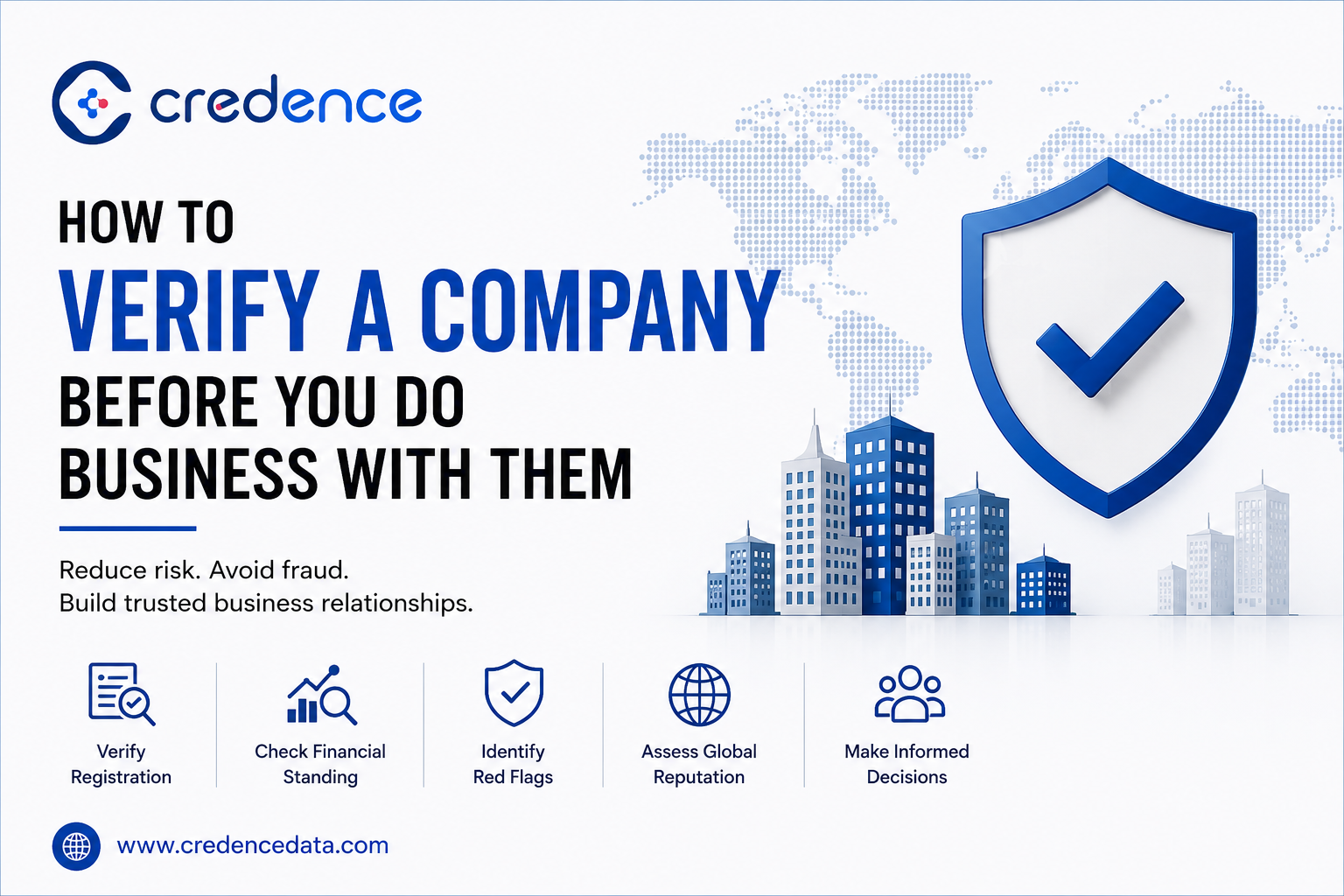
Many businesses conduct due diligence only after negotiations have begun or a partnership is close to being finalised. By that stage, significant time, effort, and resources may already be invested. A business information report helps identify potential financial, legal, or operational risks much earlier, enabling smarter decisions before commitments are made. Reviewing a company's background at the outset can prevent costly mistakes and provide greater confidence when entering into new business relationships. Early access to reliable business intelligence also strengthens risk management and supports more informed commercial decision-making.
What a Business Information Report Includes:
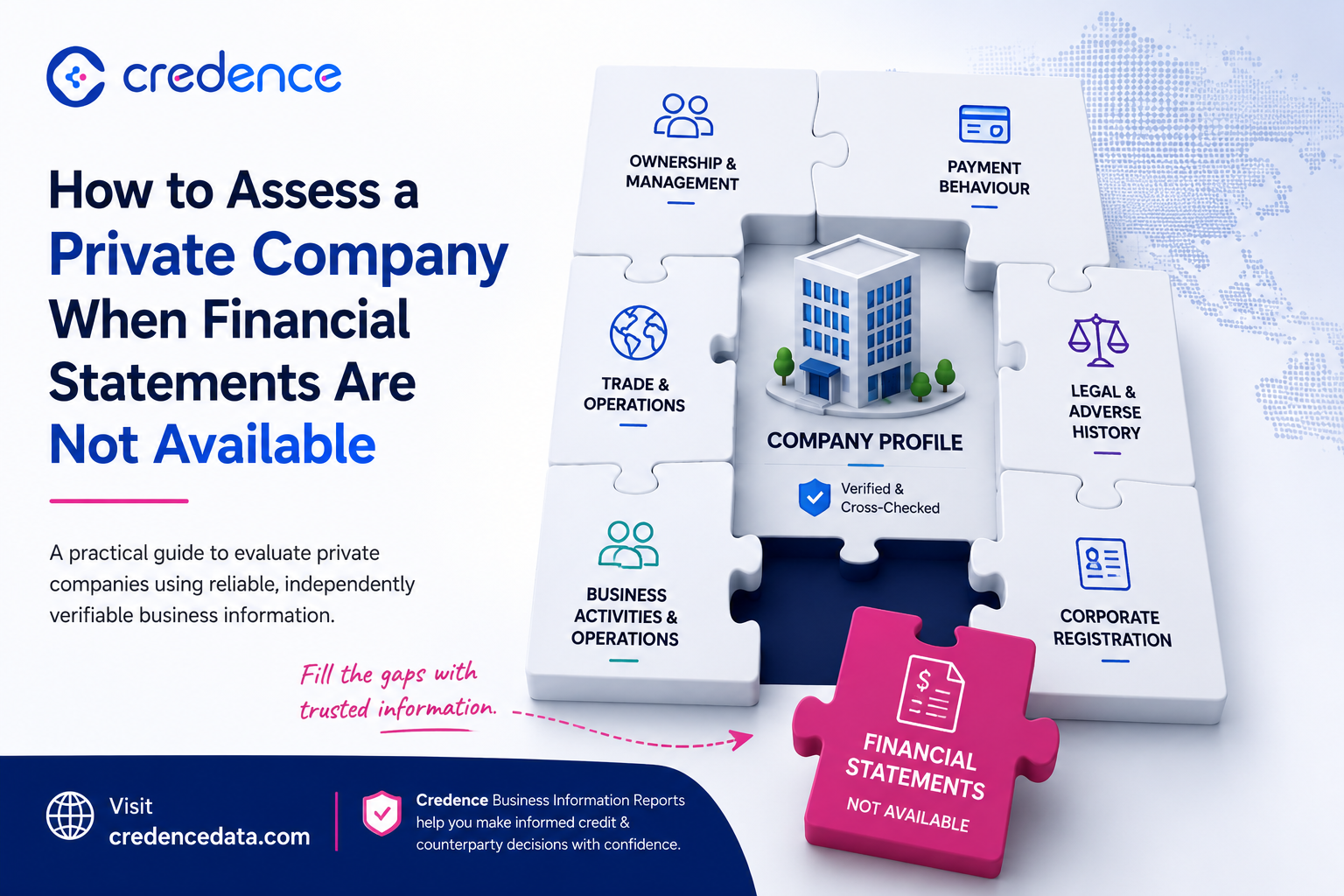
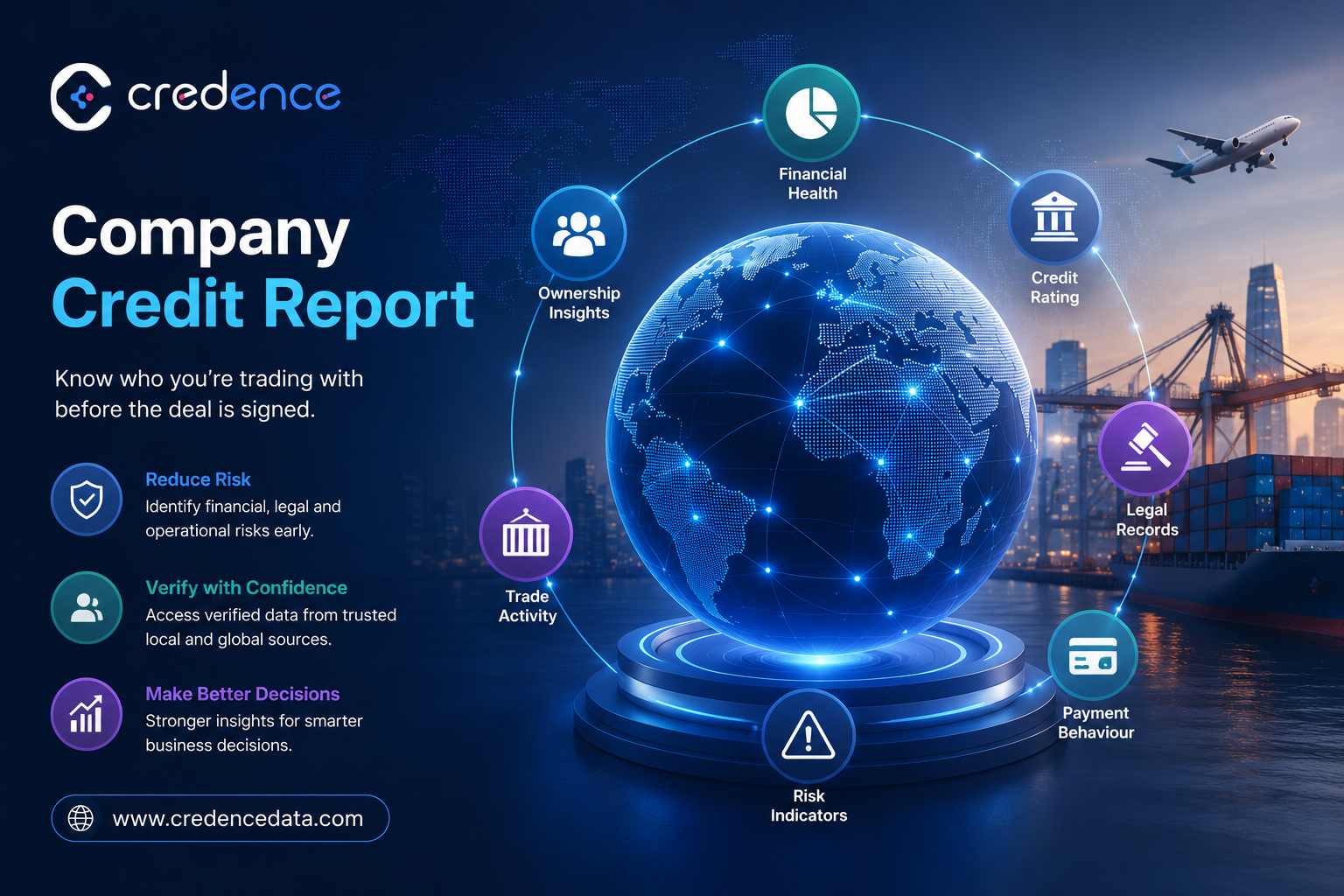
A report pulls four broad data categories into a single, structured view. By consolidating critical business intelligence into one report, organisations can evaluate potential counterparties more efficiently and consistently.
- Company identity and registration data:
Legal name, registration number, and incorporation details confirm the business is exactly who it claims to be. Mismatches here are an immediate red flag, not a minor clerical issue. Depending on the jurisdiction, this section may also include legal status, registered address, and incorporation date.
- Ownership and management details:
Ownership and leadership data reveals who actually controls the business and who’s accountable for its decisions. Layered ownership structures sometimes exist specifically to obscure this. Where available, reports may also include parent companies, subsidiaries, beneficial ownership information, and group affiliations to provide a clearer picture of corporate control.
- Financial and payment signals:
Financial indicators and payment behaviour help assess whether a company manages its obligations reliably. A strong balance sheet paired with slow payments tells a different story than either fact alone. Looking at multiple indicators together—including revenue trends, profitability, liquidity, and payment behaviour—provides a more balanced assessment of financial health.
- Legal, compliance, and operational records:
Compliance and operational data flags risk and stability issues that financial figures alone wouldn’t reveal. Regulatory breaches and operational disruptions both sit in this category. Depending on data availability, reports may also include insolvency proceedings, regulatory actions, litigation records, business licences, and operational status.
What Risks Can a Business Information Report Uncover?
A business information report can help spot warning signs that may not be obvious at first glance. It can highlight issues such as unclear ownership, past legal troubles, financial difficulties, or compliance concerns that could affect the reliability of a company. These insights allow businesses to identify potential risks before entering into a partnership or signing a contract.
Having this information in one place makes it easier to evaluate a company with confidence. Instead of relying on assumptions or limited information, businesses can make decisions based on verified facts and reduce the chances of unexpected problems later on.
Why Businesses Use Business Information Reports:
Who Uses Business Information Reports and Why?
|
Department |
Primary Purpose |
|
Finance |
Credit assessments |
|
Procurement |
Supplier due diligence |
|
Compliance |
Third-party risk management |
|
Legal |
Contract and litigation review |
|
Sales |
Customer verification |
|
Investors |
Investment due diligence |
|
Banks |
Credit evaluation |
|
Insurance |
Risk assessment |
Business Information Reports support decision-making across multiple business functions. While each department uses the report for different purposes, the underlying objective remains the same—reducing risk and making informed business decisions. The following examples illustrate some of the most common use cases.
Credit decisions and payment terms:
Finance teams use the report to set credit limits, payment terms, and approval thresholds with more confidence. A documented basis for the decision also helps if it’s ever questioned later. It also supports consistent credit risk assessment across customers and business partners.
- Supplier and partner screening
Procurement checks third parties before onboarding or signing contracts, catching problems before they become contractual ones. A vendor that looks fine on paper can still carry hidden ownership or compliance risk. Screening upfront is far cheaper than untangling a bad contract later.
- Market entry and cross-border checks
Entering an unfamiliar market means verifying counterparties you can’t easily check in person. A report closes that gap by providing independently verified business information from multiple trusted sources, making cross-border due diligence more reliable.
- Ongoing risk monitoring
A relationship that looked sound at onboarding can drift. Refreshed reports catch changes a one-time check would miss, like a sudden ownership transfer or a new legal filing. Continuous monitoring helps organisations stay informed as risk profiles evolve.
How to Read a Business Information Report:
Reading a report in the right order saves time and catches more.
High-value fields to review first: Identity, ownership, and headline risk indicators reveal the most in the least time. Start there before anything else, then move to the supporting financial and compliance details.
Risk indicators that change decisions: Some signals should trigger caution or escalation immediately, like active litigation or an unexplained ownership change. A pattern of small issues can matter as much as one large one. Treat repetition as the warning, not the individual incident.
Data gaps and unverifiable claims: Missing or inconsistent information should lower confidence in the report, even when everything else looks clean. Treat silence on a key field as a question, not an answer. In some jurisdictions, however, missing information may reflect local disclosure requirements rather than business risk, making additional verification important where critical information cannot be confirmed.
How to Choose a Business Information Report Provider:
Not all business information providers offer the same depth, so a quick evaluation upfront pays off later.
Coverage by country and company type:
Confirm the provider actually covers the markets and entity types you need, not just the major ones. Coverage claims sound similar across providers until you check the fine print.
Depth of verification:
Not all business information providers deliver the same level of insight. Evaluate how data is collected, verified, and updated before relying on a report. Providers that combine official records, multiple trusted data sources, proprietary research, and continuous verification processes typically offer more reliable intelligence than those that simply aggregate publicly available information.
Delivery speed and monitoring options:
Timely access to information is important, especially when making critical business decisions. While fast report delivery is valuable for one-time assessments, ongoing monitoring can be even more important for long-term partnerships, suppliers, and customers. A comprehensive business intelligence service can provide both rapid reporting and continuous monitoring, helping businesses stay informed as risk profiles evolve.
Conclusion: Making the Most of a Business Information Report
A business information report is most effective when it becomes a standard part of your due diligence process rather than a one-time exercise. Regularly assessing potential partners, suppliers, and customers can help businesses identify risks early and make more informed decisions.
Key elements such as company identity, ownership structure, financial health, operational stability, and compliance history each provide valuable insights into a company's reliability. Reviewing these factors together creates a more complete picture of potential risks and opportunities.
The best time to conduct a business information check is before entering into a new business relationship or finalising contractual terms. A tailored vendor risk assessment can help organisations evaluate counterparties based on their specific risk profile and business requirements. Embedding business information reports into ongoing risk management processes enables organisations to make more confident decisions throughout the business relationship, not just at onboarding.